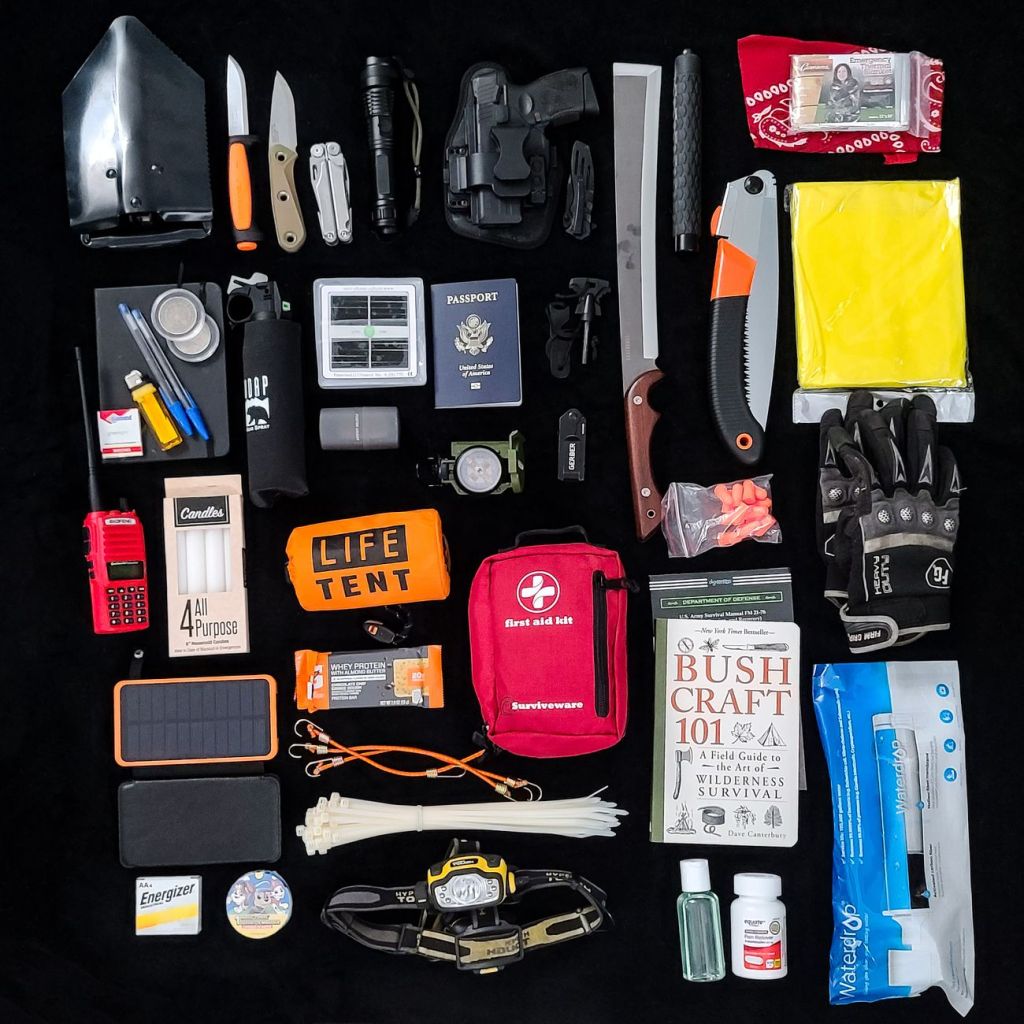
Power outages can happen without warning due to severe weather, equipment failures, or other emergencies. Having the right power outage emergency supplies at home can help keep your household safe, informed, and comfortable until electricity is restored. This guide covers 10 essential supplies to keep at home for a power outage, including emergency lighting, backup power, food, water, communication supplies, and other useful preparedness items.
Disclosure: This post may contain affiliate links. If you make a purchase through one of these links, I may earn a commission at no additional cost to you.
1. Flashlights and Extra Batteries
A reliable flashlight is one of the most important power outage emergency supplies to keep at home. During a blackout, flashlights and battery-powered lanterns provide safe emergency lighting for dark rooms, hallways, and outdoor areas. Keep flashlights in easy-to-reach locations and store extra batteries nearby so your household has dependable emergency lighting during a power outage.
Recommended Emergency Lighting Option
A rechargeable solar light can provide convenient backup lighting during a power outage without relying only on disposable batteries. It can also be useful for camping and other outdoor situations.
2. 2-in-1 Rechargeable Flashlight & Power Bank
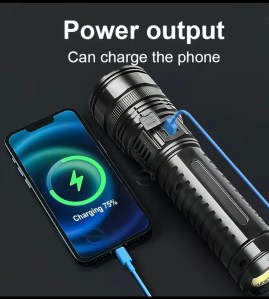
A rechargeable flashlight with a power bank is a useful power outage emergency supply because it can provide lighting while also offering backup charging for compatible small devices. During a blackout, having both emergency lighting and a backup power source in one device can help reduce the number of separate supplies you need. Keep it fully charged and check it periodically so it is ready before the next power outage.
Recommended: A rechargeable flashlight with a built-in power bank gives you emergency lighting while also providing a backup option for charging compatible devices during a power outage.
3. Emergency Water Supply
An emergency water supply is one of the most important items to keep at home for a power outage or other emergency. Extended blackouts can sometimes affect access to safe drinking water, especially when pumps or local water systems are disrupted. Keep bottled water or other emergency drinking water supplies stored in a cool, dry place, and check your supply periodically so your household is prepared before an emergency occurs.
Related Guide: Not sure how much emergency water your household needs? Read How Much Emergency Water Should You Store at Home?
Helpful Resource: If you’re looking for another option for emergency water preparedness, you can learn more about this emergency water solution here.
4. Solar-Powered Emergency Hand-Crank Radio
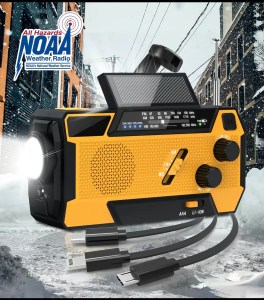
A solar-powered emergency hand-crank radio is an important communication tool to keep at home for a power outage, severe weather, or other emergency. When television, internet, or cellular service is unavailable, an emergency radio can help you stay informed with important weather alerts and emergency information. A hand-crank power option also provides a useful backup when electricity isn’t available.
Recommended: A multi-function emergency radio with solar and hand-crank charging can provide access to important weather information while also offering useful backup features during an outage.
5. Non-Perishable Food
Keep non-perishable emergency food that can be eaten without refrigeration or extensive cooking during a power outage. Canned goods, peanut butter, crackers, granola bars, and other shelf-stable foods are useful additions to your emergency food supply. Keep a manual can opener with your emergency preparedness supplies so canned foods can be opened if electricity is unavailable.
6. First Aid Kit
A well-stocked emergency first aid kit is an important part of your home emergency preparedness supplies. It can help you handle minor cuts, burns, scrapes, and other common injuries during a power outage or emergency. Check your first aid supplies regularly and replace any items that have been used, damaged, or expired.
7. Blankets and Warm Clothing
Power outages can make it difficult to heat your home, especially during colder weather. Keep emergency blankets, warm clothing, socks, and extra layers with your power outage supplies so everyone in your household can stay warm if the temperature drops. These items are an important part of winter emergency preparedness and your overall home emergency kit.
8. Battery-Powered Fans
During warm weather, a power outage can quickly make your home uncomfortable. Battery-powered fans and rechargeable fans can provide airflow when your regular fans and air conditioning are unavailable. Adding a portable fan to your power outage emergency supplies can help your household stay more comfortable during a summer power outage.
9. Backup Lighting
Battery-powered lanterns and rechargeable emergency lights provide dependable backup lighting during a power outage. Keep emergency lighting in commonly used areas such as bedrooms, hallways, and living spaces so it is easy to find when the power goes out. Backup lights are an important addition to your home emergency preparedness supplies.
10. Emergency Cash
Keep a small amount of emergency cash in a secure place as part of your home emergency preparedness supplies. During a widespread power outage, card readers, ATMs, and electronic payment systems may be temporarily unavailable. Having cash available can help you pay for essential food, water, fuel, and other emergency supplies when electronic payments aren’t working.
Be Prepared Before the Power Goes Out
Preparing before a power outage can help your household stay safer and more comfortable when electricity is unavailable. Start by building a power outage emergency kit with essential emergency preparedness supplies, including flashlights, backup lighting, drinking water, non-perishable food, first aid supplies, and other necessities your household may need. Check your home emergency supplies regularly and replace expired food, water, batteries, and other items as needed.


Leave a Reply