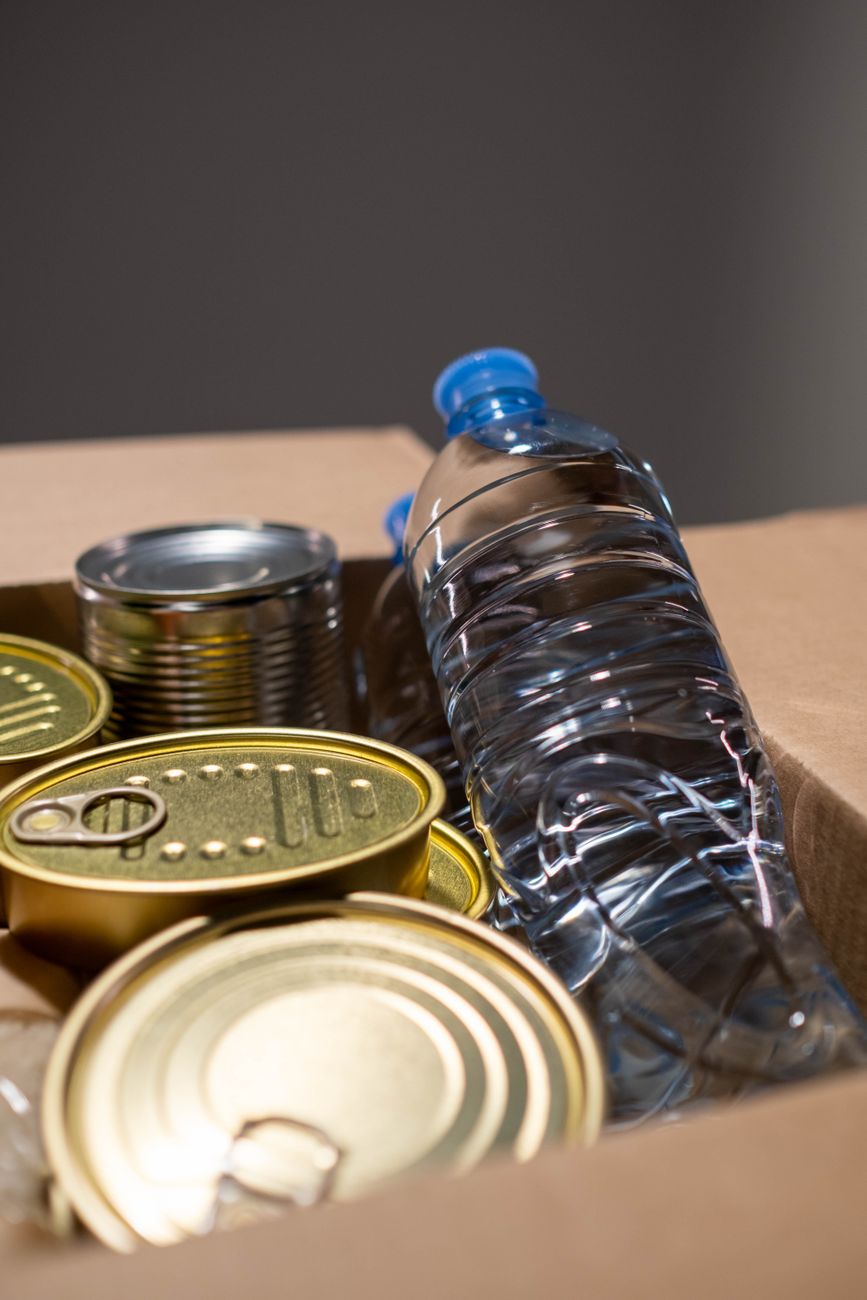
Having enough clean drinking water is one of the most important parts of emergency preparedness. Power outages, severe weather, water main breaks, and other emergencies can interrupt your normal water supply. Keeping emergency water at home can help your household stay prepared until regular water service is restored.
Disclosure: This post may contain affiliate links. If you make a purchase through one of these links, I may earn a commission at no additional cost to you.
How Much Water Should You Store?
A common emergency-preparedness guideline is to store at least one gallon of water per person per day for several days. This amount is intended to cover drinking and basic sanitation needs. Your household may need more depending on the weather, activity level, age, and individual needs of each person.
How to Calculate Your Household’s Water Needs
Start by counting the number of people in your household. Multiply that number by one gallon per person for each day you want to prepare for. For example, a household of four would need about 12 gallons of water for a three-day emergency supply.
How Many Days of Water Should You Keep?
A three-day supply is a good starting point for emergency preparedness, but keeping more water can provide additional protection during longer disruptions. If you have enough storage space, consider gradually building your supply beyond three days rather than trying to purchase everything at once.
Where Should You Store Emergency Water?
Store emergency water in a cool, dry place away from direct sunlight, chemicals, gasoline, pesticides, and other substances that could affect the water or its container. Keep water in sturdy, food-safe containers and choose a location that is easy to access during an emergency.
When Should You Replace Stored Water?
Check your emergency water supply regularly for damaged containers, leaks, or other problems. Follow the storage and replacement instructions provided by the manufacturer for commercially bottled water. If you fill your own emergency water containers, label them with the storage date and follow current emergency-water storage guidance.
Don’t Forget Water for Pets
If you have pets, include additional water for them in your emergency supply. The amount needed can vary based on the animal’s size, diet, activity level, and weather conditions. Keep their water needs in mind when calculating your household’s total emergency supply.
Other Ways to Prepare for Emergency Water Needs
Stored drinking water should be the foundation of your emergency water plan, but you can also explore additional water-storage and emergency-water solutions as part of your preparedness setup. Consider your household size, available storage space, budget, and the types of emergencies most likely to affect your area.
Helpful Resource: If you’re looking for an additional emergency water preparedness option, you can learn more about this emergency water solution here.
Build Your Emergency Water Supply a Little at a Time
You don’t have to build your entire emergency water supply in one day. Start with enough water for a few days, then gradually add more as your space and budget allow. Review your supply regularly so your household has clean water available when an unexpected emergency happens.
Related Guide: Want to know what to do if the electricity actually goes out? Read What to Do During a Power Outage: 10 Steps to Keep Your Family Prepared.


Leave a Reply