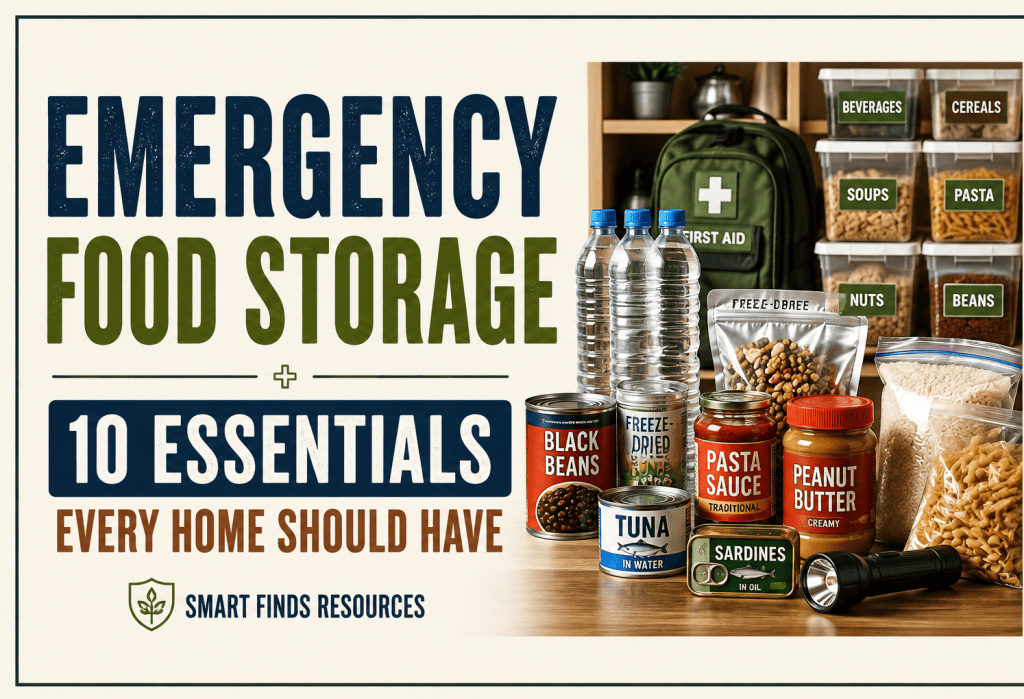
Emergencies such as power outages, severe weather, and unexpected disruptions can make it difficult to get the food and supplies your household needs. A well-planned emergency food supply can help you stay prepared. Below are 10 emergency food storage essentials, along with practical tips and recommended products to help you build your supply one step at a time.
Disclosure: This post may contain affiliate links. If you make a purchase through one of these links, I may earn a commission at no additional cost to you.
1. Shelf-Stable Foods
Choose foods that can be stored for long periods without refrigeration. Canned vegetables, fruits, beans, soups, tuna, peanut butter, rice, pasta, oats, and other dry foods are useful options. Check expiration dates regularly and rotate older items into your everyday meals.
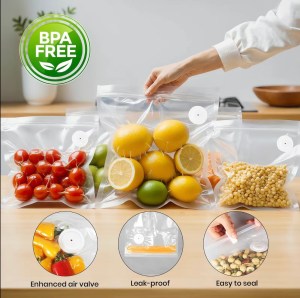
Recommended: Keep opened dry foods organized and protected with reusable vacuum storage bags. They’re useful for items such as rice, pasta, cereal, and other dry pantry staples.
2. Food Storage Containers
Proper food storage can help keep your pantry organized and make it easier to see what supplies you have available. Reusable storage containers are useful for organizing dry foods, snacks, produce, and other household food supplies.
Recommended: Stackable food storage containers can help keep emergency foods easy to see, protected, and conveniently organized.
3. Canned Foods
Canned foods are a practical choice for an emergency food supply because they have a long shelf life and require little preparation. Consider keeping canned vegetables, fruits, beans, soups, tuna, chicken, and other foods your household normally eats..
Tip: Choose a variety of foods and check expiration dates regularly. Use older cans first and replace them with newer ones to keep your emergency supply fresh.
4. Rice, Pasta & Dry Grains
Rice, pasta, oats, and other dry grains are practical additions to an emergency food supply because they’re easy to store and can help create filling meals. Store them in a cool, dry place and always follow package directions for proper storage.
Tip: Keep foods your household already enjoys so you can rotate them into regular meals instead of letting them sit unused.
5. Peanut Butter & Other Nut Butters
Peanut butter and other nut or seed butters are convenient emergency foods because they are ready to eat and provide protein, fats, and calories without cooking. Choose varieties your household normally eats and check the expiration dates regularly.
Tip: Individual packets or smaller containers can be useful during power outages because they’re easy to serve and require no refrigeration before opening.
6. Shelf-Stable Milk
Shelf-stable milk can be useful when refrigeration is unavailable. Options may include boxed dairy milk, powdered milk, and shelf-stable plant-based milk. These can be used for drinking, cereal, or preparing simple meals.
Tip: Check expiration dates regularly and remember that some shelf-stable milk products require refrigeration after opening.
7. Snacks & Ready-to-Eat Foods
Keep foods on hand that can be eaten without cooking or refrigeration. Crackers, granola bars, dried fruit, nuts, trail mix, and other shelf-stable snacks can be convenient during power outages and other emergencies.
Tip: Choose individually packaged or resealable foods when possible. They can be easier to portion and help keep unused food protected.
8. Manual Can Opener
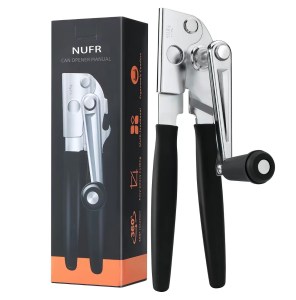
A manual can opener is an easy item to overlook, but it can be essential if your emergency food supply includes canned foods. Unlike an electric can opener, it can be used during a power outage without electricity.
Tip: Keep your manual can opener stored near your emergency food supplies so it is easy to find when you need it.
Recommended: Keep a sturdy, easy-to-use manual can opener with your emergency food supplies so you’re prepared to open canned foods even when the power is out.
9. Emergency Drinking Water
Food is only part of an emergency supply. Keep enough safe drinking water available for everyone in your household. Stored water can be especially important during severe weather, power outages, or situations when your regular water supply is unavailable.
Tip: Store water in a cool location away from direct sunlight and regularly check your emergency supply so you can replace items when needed.
Recommended: Consider keeping a reliable water filtration option as part of your emergency preparedness supplies. Having a way to filter water can be useful for both everyday use and unexpected situations.
10. Emergency Cooking & Meal Preparation Supplies
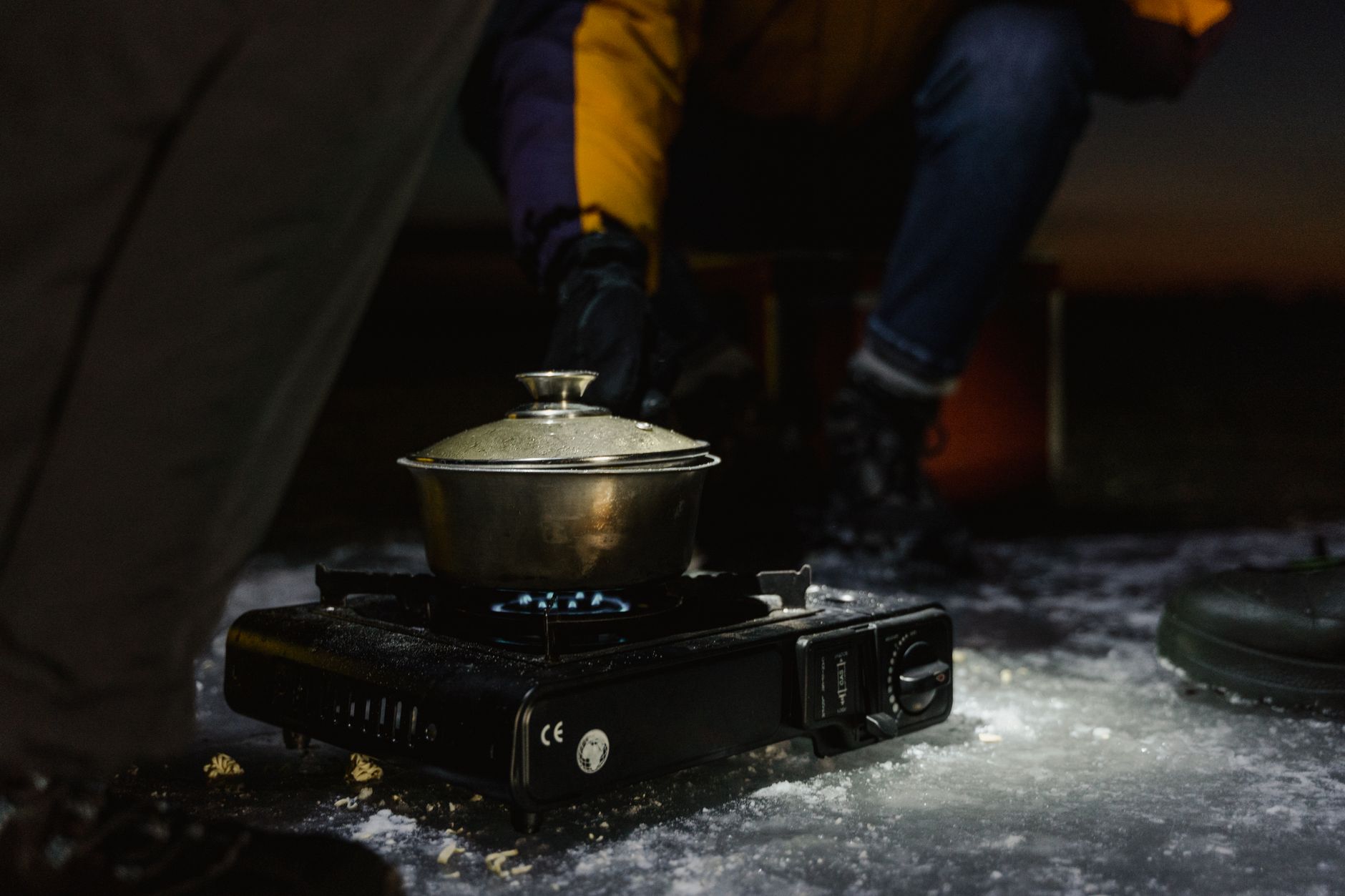
During an extended power outage, your normal cooking appliances may not be available. Keep simple meal-preparation supplies on hand, such as disposable plates and utensils, paper towels, and foods that require little or no cooking.
Important: Never use outdoor grills, charcoal grills, or other fuel-burning cooking equipment inside your home, garage, or other enclosed spaces because they can produce dangerous carbon monoxide.
Recommended: A portable cooking option can be useful when your regular cooking appliances aren’t available. Choose one that fits your emergency plan and always follow the manufacturer’s instructions for safe use.
Get Your FREE Emergency Preparedness Checklist
Be prepared before an emergency happens. Join Smart Finds Resources and get our FREE Emergency Preparedness Checklist, plus helpful preparedness tips, resources, and product recommendations delivered to your inbox.
Build Your Emergency Food Supply Before You Need It
Building an emergency food supply doesn’t have to happen all at once. Start with foods your household already eats, add a few extra items during regular grocery trips, and gradually build a supply that fits your family’s needs.
Remember to check expiration dates, rotate older foods into your everyday meals, and replace supplies as needed. A little preparation today can make it much easier to handle an unexpected power outage, severe weather event, or other emergency.
Explore More Emergency Preparedness Resources
Continue building your household emergency plan by exploring more preparedness tips, water resources, backup power ideas, and useful emergency products on Smart Finds Resources.


Leave a Reply